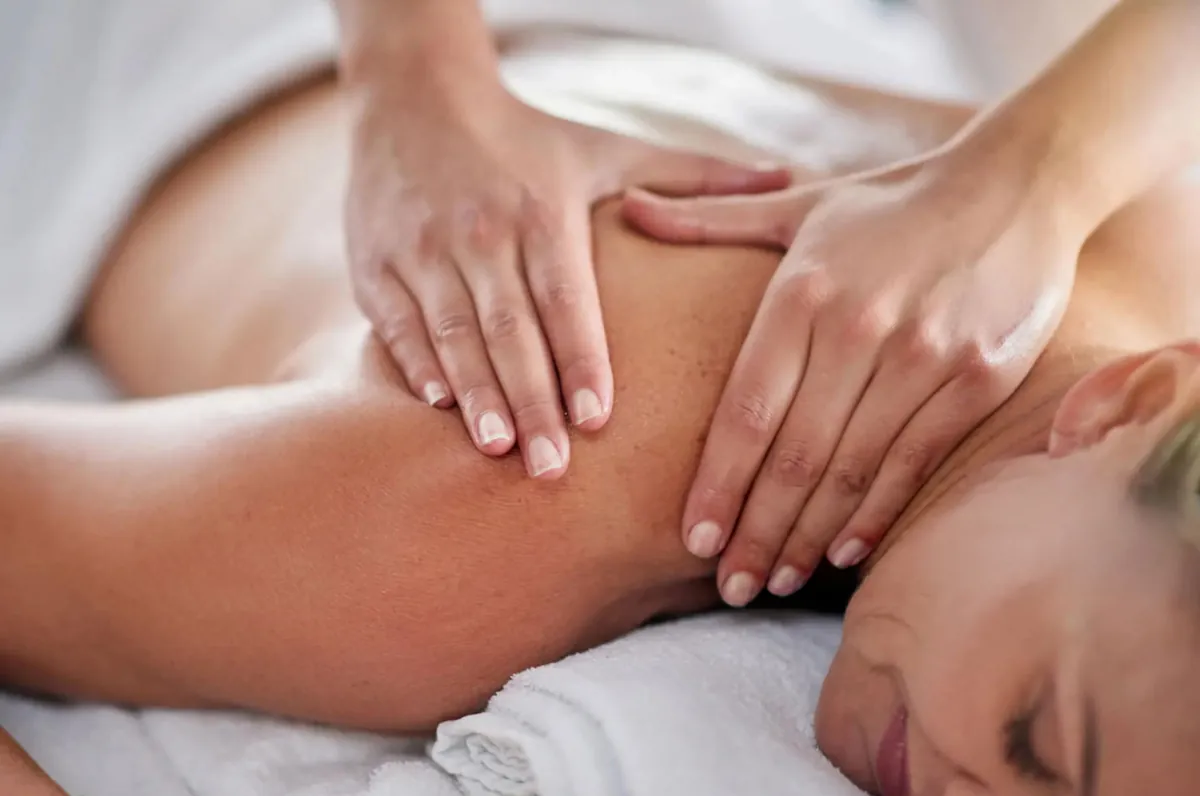
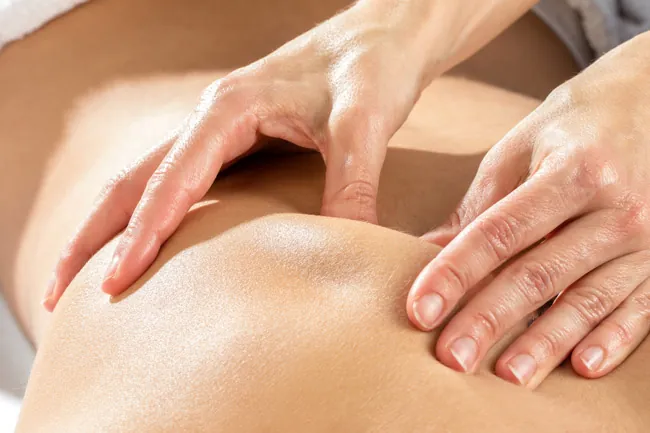
Traditional Japanese pressure-point technique. Slow, focused work along the meridian lines — the language of classical Eastern bodywork.
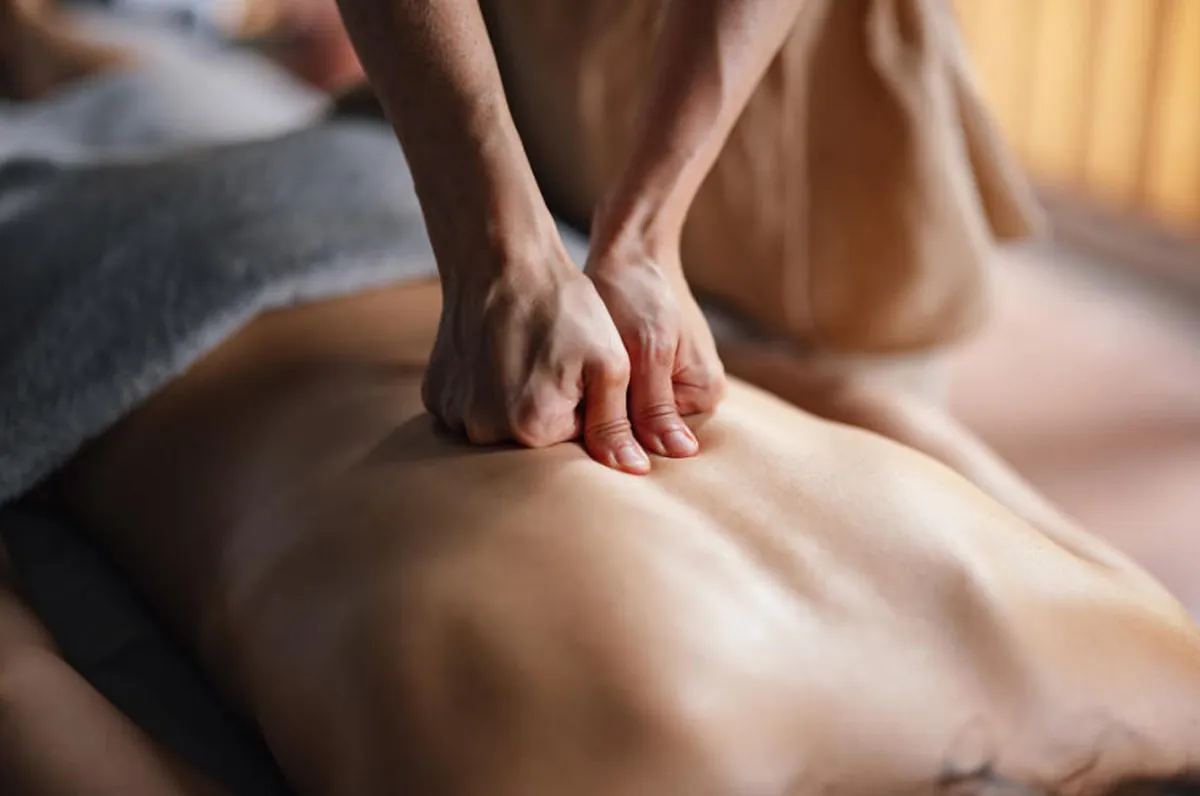
Shiatsu in Redwood City is a traditional Japanese bodywork technique — the word literally means "finger pressure" — and it's one of the most refined forms of massage in the Eastern tradition. Unlike Western massage, which thinks anatomically (muscle, fascia, nerve), Shiatsu thinks in terms of meridians: channels through which the body's energy flows. Shiatsu works to clear blockages along these meridian lines using sustained pressure from the thumbs, palms, and elbows.
If that sounds abstract, the experience itself is anything but. A skilled Shiatsu session feels like every tight spot in your body is being individually attended to — slowly, deliberately, one point at a time. The pace is slower than a Western massage. The pressure is firm but never aggressive. The sensation is unmistakable: small islands of stuck tension lighting up briefly, then dissolving.
Three of our eight therapists trained in classical Eastern bodywork — Edman with his Shanghai University of TCM background, and Jack with his Chinese tuina lineage. They bring decades of practice with this style. For clients who want something deeper than relaxation but more thoughtful than pure deep tissue, Shiatsu is often the answer.
Same low rate as every other modality on our menu.
| Duration | Now | Was | You Save |
|---|---|---|---|
| 30 min | $39 | $49 | $10 |
| 60 min | $59 | $99 | $40 |
| 90 min | Call for Price · 650-868-5088 | ||
| 120 min | Call for Price · 650-868-5088 | ||
Couples sessions: per person, same rate as single service.
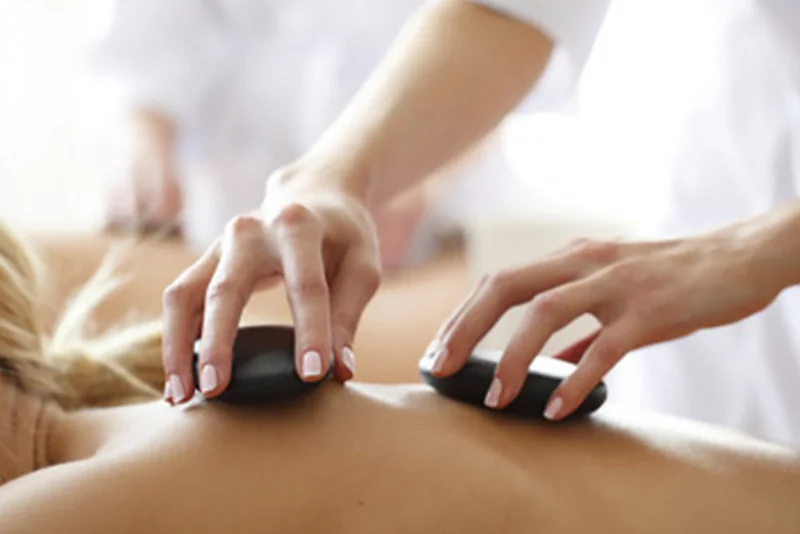
FREE 15-min Hot Stone treatment included with any service.
Our clients book this session for a wide range of body issues. The most common reasons:
Shiatsu's sustained point pressure often releases what direct muscle work doesn't reach — small fascial bindings and trigger points along the meridian lines.
Massage for chronic neck pain and stiff neck issues respond particularly well to Shiatsu — the gallbladder and bladder meridians run through these areas.
Massage for tension headaches and migraine relief has been part of Shiatsu's traditional applications for centuries. The work along the upper back, neck, and scalp meridians is direct.
The slow, focused nature of Shiatsu calms the nervous system in a way that's distinctly different from oil-based relaxation. Many clients describe an emotional clarity afterward.
Massage for insomnia using meridian work targets the heart and kidney meridians — channels traditionally associated with sleep regulation.
Massage for chronic pain that has been treated unsuccessfully with Western methods often responds to the different approach Shiatsu takes.
Massage for anxiety using Eastern meridian work targets points along the heart meridian — traditionally the channel of mental quiet.
Skilled shiatsu combines several specific techniques. Here's what your therapist will be doing during your session:
Shiatsu is traditionally performed clothed, on a futon mat — but at our spa we offer the option to do it on the table with light clothing or under a sheet, whichever you prefer. Most clients find table Shiatsu more comfortable.
Your therapist begins with palpation — slowly running their fingers along each meridian to find points of tension. This first phase tells them where to focus.
The active session moves point by point: a thumb on a tsubo (pressure point), a few seconds of sustained pressure, a release, a transition to the next point. The pace is unhurried. Some points feel intense; some feel like they release immediately. All of them feel deliberate.
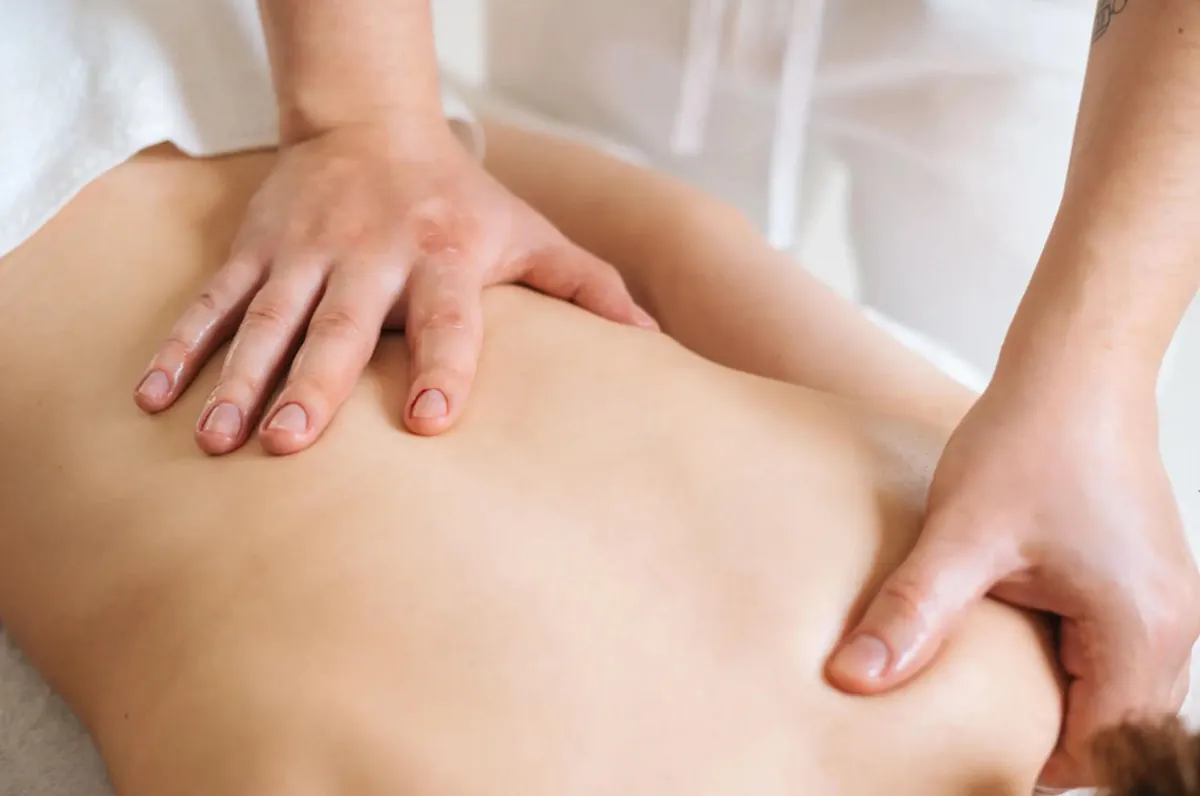
Toward the end of the session, your therapist may include some assisted stretching — opening the shoulders, neck, hips. The session closes with gentle palm pressure along the back to settle everything.
Afterward, most clients describe a quiet, slightly altered feeling — a mix of mental clarity and physical lightness. The parasympathetic activation tends to last for several hours. Many clients report sleeping particularly well that night.
All eight of our licensed therapists are trained across the full menu. The therapists below have particular depth of experience with shiatsu and are most-requested for this service:
Not sure who to book? Tell us where you're holding tension and we'll match you. Find your match by condition →
| Comparison | Notes |
|---|---|
| vs Deep Tissue | Both use firm pressure. Deep tissue thinks anatomically (muscle by muscle); Shiatsu thinks energetically (meridian by meridian). Many people find Shiatsu reaches points deep tissue misses. |
| vs Acupressure | Closely related. Acupressure typically focuses on a smaller number of specific points (often Chinese acupuncture points). Shiatsu is more systematic — it works through every meridian in sequence. |
| vs Swedish | Completely different traditions. Swedish is about flow and relaxation; Shiatsu is about specific points and meridian clearing. They're not interchangeable — different goals. |
| vs Trigger Point | Trigger point therapy is Western anatomical thinking applied to specific hyperirritable spots. Shiatsu is the Eastern equivalent — same intensity of focus, different theoretical framework. |
Verdict: Choose Shiatsu when you want focused, point-by-point work in the Eastern tradition. It's especially valuable for clients who've found Western massage modalities limited for chronic pain — different approach, often different results.
It depends on what brings you in. Here are the most common rhythms our clients keep:
Not sure what rhythm makes sense for your situation? Chat with us on the bottom right — we'll talk through it.
The questions our clients ask most often about this service.
Closely related but not identical. Both use thumb pressure on specific points; both are rooted in Eastern medicine. Acupressure usually focuses on a smaller number of specific points. Shiatsu is more systematic — it works through every meridian in sequence. Some sessions blend both.
Traditionally yes, on a futon. At our spa, we offer table Shiatsu with light clothing or under a sheet — most clients prefer this. Whichever way is most comfortable for you. Just let us know when you book.
Massage for anxiety and stress relief through Shiatsu targets the heart meridian (governing mental quiet) and the liver meridian (governing emotional flow). The slow, point-by-point pace itself activates the parasympathetic nervous system. Many clients describe a distinct emotional clarity after a session.
Edman is our most experienced — 30 years of practice with formal training at Shanghai University of TCM. Jack brings 20+ years of Chinese tuina (closely related to Shiatsu). Leo and Mary also work in this style and are popular for first-time Shiatsu clients.
Pressure is firm but never aggressive. Some specific points may feel intense for a few seconds — that's the meridian releasing. It should never feel sharp or like injury. Tell your therapist if any pressure crosses into pain; they'll adjust immediately.
Pace, framework, and intent are all different. Regular Western massage works muscles with strokes and pressure; Shiatsu works meridian points with sustained thumb pressure. Both are valuable — they answer different questions.
60-min sessions from $59 (regularly $99). All sessions by appointment. Eight licensed therapists. Open daily 9am–10pm.
Call: 650-868-5088 Or chat with us on the bottom right →