
How Much Should I Tip a Massage Therapist?
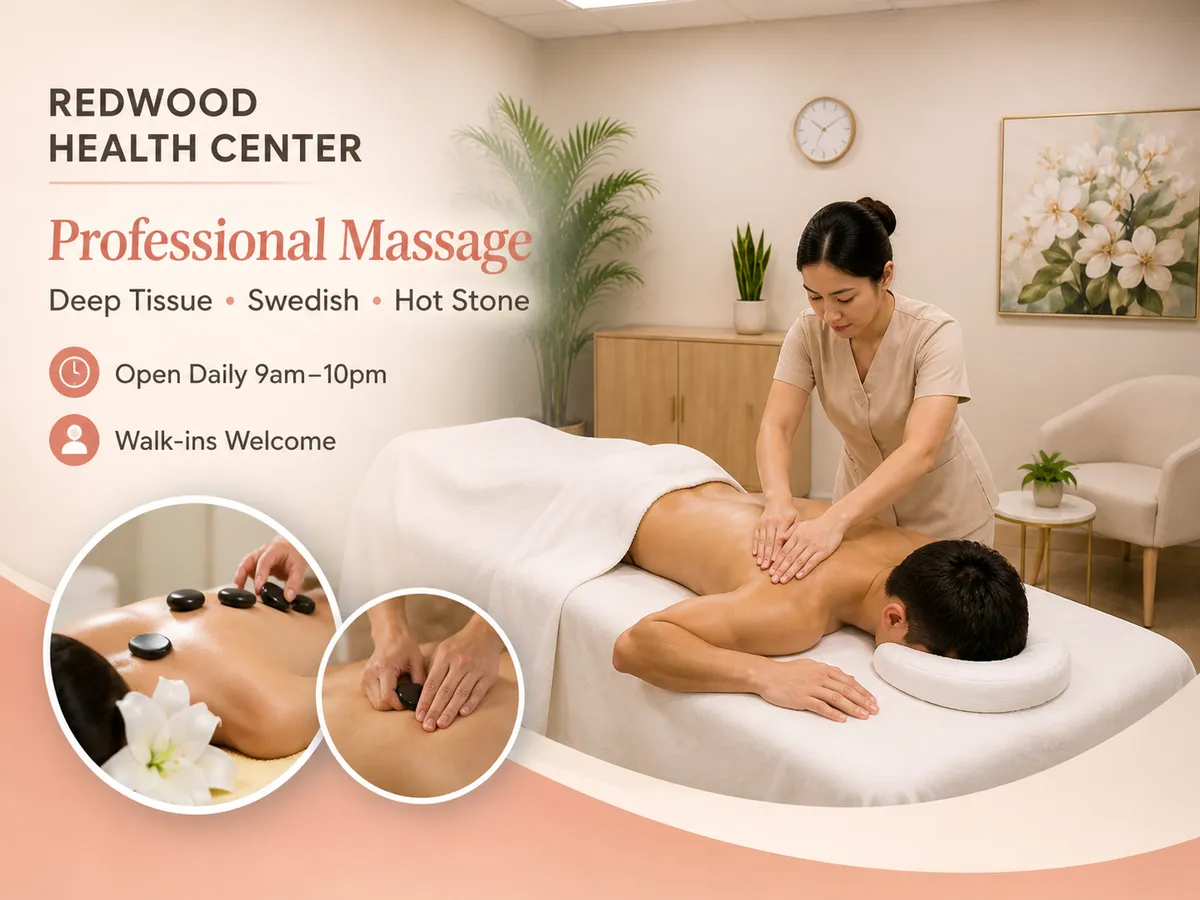
The honest answer to a question every first-time client asks. Plus our actual policy on tipping.
Our Policy
Gratuity is voluntary and at your discretion. There is no minimum, no expectation, and no awkward moment if you don't tip. We mean it.
This is different from most spas, where tipping is treated as expected. We've intentionally moved away from that model.
If You Do Want to Tip
Whatever feels right to you is right. Some clients prefer to leave a little extra after a session that especially helped them. Others don't tip at all, and we're equally happy to see them. There is no number we're hoping for and no number we'd be disappointed by.
How to Tip
Cash is appreciated (goes directly to the therapist with no processing). Credit card tipping is also fine — it's added at checkout and processed weekly to the therapist.
Gift cards: gratuity isn't included on gift cards purchased in advance, so you can tip in cash or card at the time of service.
If a Therapist Asks for a Tip
They shouldn't, and we make sure they don't. If a therapist ever pressures you for a tip, please let us know. We have a clear policy that gratuity is your choice.
Why We Don't Push Tipping
We've intentionally priced our services so that the listed price is what the therapist earns plus operating costs — not a discount counting on tips to make up the difference. Our therapists earn living wages whether or not you tip.
If you appreciated the work and want to leave something extra, we're grateful. If you don't, it doesn't change how the next session goes — same therapist, same care.
What Else Makes a Difference
Tips are appreciated but not the most important thing. The things that actually matter to a therapist:
- Booking again — repeat clients are the highest compliment
- Requesting them by name on future visits
- Telling friends about the spa
- Leaving a Google review when the work was good
Industry Context — Why Tipping Norms Exist
Massage tipping conventions developed for a specific reason in the spa industry: many spas pay therapists hourly rates that assume tips will supplement the income. The therapist's effective income comes from a mix of wages and gratuities. This system creates an awkward dynamic where therapists may feel pressure to perform, push upgrades, or pursue tip-maximizing behaviors.
We've intentionally moved away from this model. Our therapists earn living wages whether or not you tip. The price you pay for a session is what makes the spa work financially. Tipping is genuinely optional — and we mean that.
What Other Spas Do
Different categories of spas have different conventions around gratuity:
- Hotel spas and high-end day spas: Tipping is treated as expected. Some venues automatically add gratuity to your bill — check your receipt before adding additional.
- Mid-range spas: Conventional, though not strictly required.
- Budget shops: Norms vary widely from spa to spa.
- Independent therapists: Mixed. Some prefer no tip and have priced accordingly. Some appreciate it.
- Sports massage / medical massage: Often no tip — treated more like physical therapy than spa service.
How to Tip Without Awkwardness
If you do want to tip, the easiest approaches:
Cash at the front desk. Hand it to the receptionist or to the therapist directly. No awkwardness — just a clean transfer.
Add to credit card payment. When checking out, you can add gratuity to the card payment. The receptionist or system will prompt you.
If you don't want to tip and feel awkward saying so: just smile, pay the listed price, thank the therapist, and leave. No one will say anything.
What Therapists Actually Appreciate
Beyond money, what tells a therapist that the session worked:
- You book again with the same therapist. Repeat clients are the highest compliment.
- You request them by name on subsequent visits. Indicates the match is real.
- You leave a Google review when the work was good. Helps the therapist's career and the spa's visibility.
- You refer friends. Word-of-mouth is how therapists build sustainable practice.
- You communicate well during sessions. Tells them what's working, what isn't, what to focus on.
These behaviors matter more long-term than gratuity. A client who books bi-weekly for a year and never tips is far more meaningful to a therapist than someone who tips well but only visits once.
Practical Logistics for Booking Your Session
For clients ready to act on what's described above, the practical mechanics of working with us:
Phone booking: 650-868-5088. Available all open hours (9am to 10pm, every day). The receptionist will take you through service selection, therapist matching, and scheduling. Most calls take 3-5 minutes.
Chat booking: Bottom right of any page on our website. Available 24/7. Useful when you have specific questions or want to describe a complex issue before committing to a session. Response time during open hours is usually under 5 minutes.
Same-day appointment: Sometimes possible. Our therapists are typically booked, but if there's an opening we can fit you in. Call ahead to check.
Same-day vs advance booking: Same-day works for most weekday slots. Friday evenings and weekend slots fill 2-3 days ahead. The most-requested therapists (Edman, Jack) often book a week ahead during busy periods.
What to bring: Nothing required. Comfortable clothes for arrival and departure. We provide everything else — sheets, oils, robes, water.
Your First 60 Seconds With the Therapist
The brief consultation at the start of every session is more important than most clients realize. The therapist is making rapid assessments based on what you tell them and what they observe. The clearer you are in those first 60 seconds, the more targeted the work will be.
The questions worth answering specifically:
- Where exactly is the issue? "My neck" is vague. "The right side of my upper trapezius, just above the shoulder blade" is specific.
- How long has it been there? "A week" requires a different approach than "three years."
- What aggravates it? Specific positions, specific activities, specific times of day.
- What relieves it (even temporarily)? This tells the therapist what kinds of input the body responds to.
- Anything to avoid? Recent injuries, areas of skin sensitivity, areas you don't want worked on for any reason.
- What's the goal? Pain relief? Relaxation? Recovery? The session shape changes based on which.
What Tells You the Session Worked
The honest indicators that a session was effective:
In the first hour after: A quiet, slightly slow feeling. Reluctance to immediately return to busy activity. Mild thirst.
That night: Better sleep. Falling asleep faster. Waking less. Sleeping through usual disruptions.
The next morning: Better range of motion than yesterday. The chronic pain or tension you came in with is at minimum reduced — often noticeably less.
Day 2: Possibly mild soreness if you had deep work, similar to the day after a workout. Drink water; it resolves quickly.
Day 3-5: The cumulative benefit. Many clients report feeling better than they did before the session — calmer, more flexible, sleeping better.
If you notice none of these in the days after a session, the work didn't fully connect with what your body needed. That's useful feedback. Tell us at your next appointment so we can adjust technique, therapist match, or both.
Why Consistency Matters More Than Intensity
If we could give one piece of advice to every client about therapeutic massage, it would be this: consistency dramatically outperforms intensity. Two 60-minute sessions per month for a year does more for chronic conditions than a single dramatic 120-minute session per quarter.
The body learns from repeated input. A consistent rhythm of moderate sessions teaches the nervous system and the tissue that release is the new normal. A rare, dramatic session creates a temporary peak that fades back to baseline.
This is why we don't sell prepaid packages with expiration dates — we want clients booking when their bodies need it, not booking 10 sessions in 30 days because the package is expiring. The right rhythm is whatever you can sustain over time.
For most clients, that turns out to be every 2-3 weeks. For some, weekly. For others, monthly. The right answer is whatever you'll actually keep doing.
Ready to Book?
Visit our Complete Guide to Massage in Redwood City for deeper articles on choosing the right session.
Call: 650-868-5088